
Women’s healthcare requirements change considerably from adolescence through reproductive years, pregnancy, postpartum recovery, and menopause. A concern that is common at one age may require a different approach at another.
Consulting a Women’s Health Specialist can provide continuity for patients in Diva, who need guidance for menstrual, reproductive, pregnancy-related, or menopausal concerns.
Adolescent Menstrual Health
The first years after menstruation begins can involve cycle variation, but some symptoms deserve medical attention.
Very heavy bleeding, severe period pain, prolonged absence of menstruation, significant acne with irregular cycles, or symptoms suggestive of anemia may require evaluation.
Young patients should receive explanations that help them understand their menstrual health without unnecessary embarrassment.
Reproductive-Age Concerns
During the reproductive years, gynecological consultations commonly address irregular periods, PCOS, contraception, vaginal symptoms, ovarian cysts, fibroids, endometriosis, pelvic pain, and fertility.
The same symptom can have multiple causes.
Irregular periods, for example, may be associated with PCOS but can also occur because of thyroid disorders, weight changes, pregnancy, stress, or other hormonal conditions.
Proper evaluation helps avoid treating an assumed diagnosis.
Preconception Planning
Women considering pregnancy can use preconception consultations to review existing medical conditions, current medications, vaccination history, lifestyle factors, and previous pregnancy experiences.
Folic acid may be recommended before conception, with the appropriate dose depending on individual circumstances.
Women with diabetes, hypertension, thyroid disease, previous pregnancy complications, or other medical conditions may benefit particularly from planning before conception.
Pregnancy Care
Once pregnancy begins, healthcare priorities shift toward maternal wellbeing and fetal development.
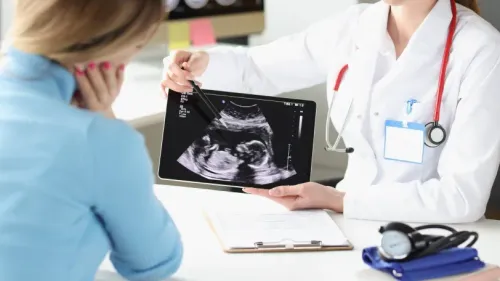
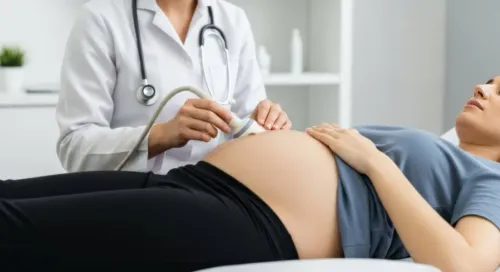
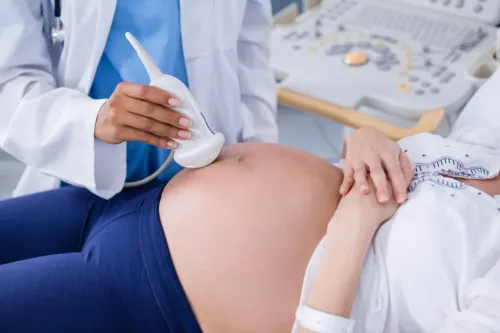
Routine antenatal care may include clinical examinations, blood investigations, ultrasound assessments, nutritional guidance, screening at appropriate stages, and delivery preparation.
Higher-risk pregnancies may require additional monitoring.
Dr Firdousara - Women’s care clinic provides women’s healthcare for patients from Diva requiring gynecological evaluation or maternity-related support.
Postpartum Health Deserves Attention
Care should not stop once the baby is delivered.
The postpartum period involves physical recovery, bleeding changes, breastfeeding adjustments, wound care when applicable, contraception decisions, and emotional adaptation.
Women should discuss physical or emotional changes with an appropriate healthcare professional rather than assuming every postpartum difficulty must simply be endured.
Perimenopause Brings New Questions
As women approach menopause, menstrual patterns may become irregular and symptoms such as hot flushes, sleep disturbances, vaginal dryness, or mood changes can occur.
However, not every symptom during this period should automatically be attributed to menopause.
Unusually heavy bleeding, persistent pelvic symptoms, or bleeding after menopause requires appropriate medical evaluation.
Building a Long-Term Healthcare Relationship
A Women’s Health Specialist can help patients understand how reproductive healthcare needs change with age and circumstances.
Keeping previous investigation reports and maintaining an accurate medical history can also make future consultations more informative.
Women’s healthcare is most effective when it is not limited to treating individual symptoms in isolation. Menstrual health, fertility, pregnancy, postpartum recovery, hormonal changes, and later-life gynecological concerns form different stages of the same broader health journey. Regular, symptom-based medical evaluation helps women make informed decisions at each of those stages.
Keywords