Pregnancy care involves far more than confirming pregnancy and waiting for the delivery date. Regular assessment helps monitor maternal health, fetal development, nutritional needs, and pregnancy-related complications at appropriate stages.
Women in Parsik Nagar, can use a structured checklist when discussing maternity care with a Pregnancy Care Specialist.
Early Pregnancy Priorities
After pregnancy is confirmed, an initial medical consultation helps establish important baseline information.
The doctor may review:
- Last menstrual period
- Estimated gestational age
- Previous pregnancy history
- Existing medical conditions
- Current medications
- Previous surgeries
- Family medical history
- Previous pregnancy complications
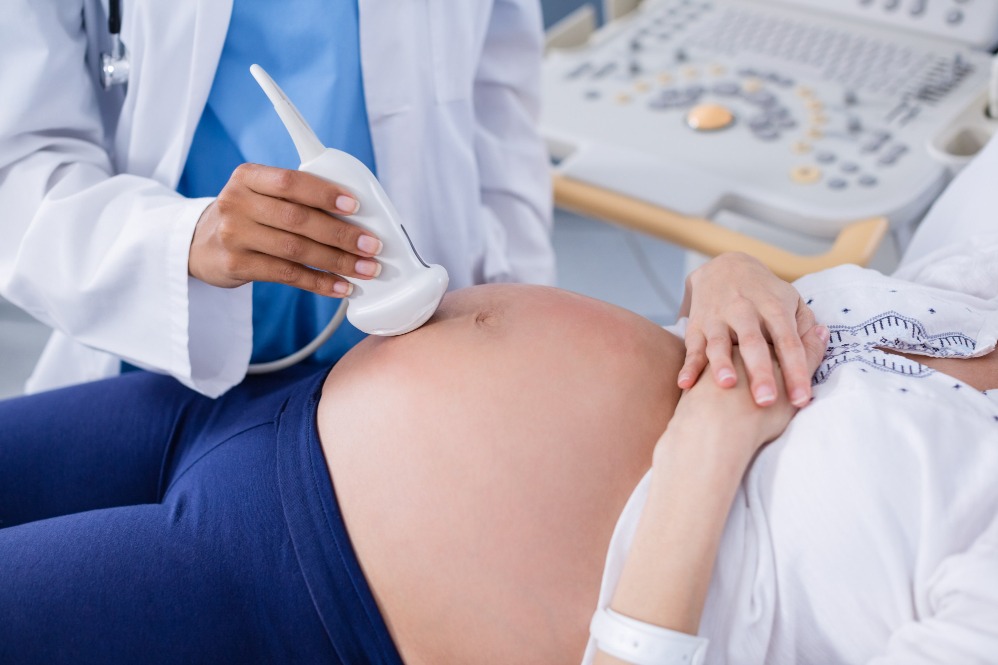
An ultrasound or laboratory investigations may be recommended depending on gestational age and clinical circumstances.
Keep Antenatal Appointments Consistent
Pregnancy appointments are scheduled according to gestational stage and individual risk.
Routine visits can include blood pressure measurement, weight monitoring, assessment of fetal growth, discussion of symptoms, and review of relevant investigations.
Women with diabetes, hypertension, multiple pregnancy, previous obstetric complications, or another high-risk factor may require a different monitoring schedule.
Pay Attention to Nutrition
Pregnancy increases nutritional requirements, but healthy eating does not simply mean consuming much larger quantities of food.
A balanced diet can include appropriate sources of protein, vegetables, fruits, whole grains, and other foods recommended according to individual health needs.
Doctors may recommend supplements such as folic acid, iron, calcium, or others according to pregnancy stage and test results.
Avoid starting unnecessary supplements without discussing them with the healthcare provider.
Complete Recommended Investigations
Different tests are used at different stages of pregnancy.
Depending on medical history and clinical guidelines, these can include blood investigations, urine testing, ultrasound scans, screening for gestational diabetes, and other assessments.
The purpose of testing is to identify information that may influence pregnancy management.
Know Important Warning Symptoms
Pregnant women should know when medical advice may be required.
Symptoms worth promptly reporting can include vaginal bleeding, fluid leakage, severe abdominal pain, persistent severe headache, significant swelling, visual disturbances, fever, or reduced fetal movements once movements have become established.
The appropriate response depends on gestational age and individual risk, so patients should follow instructions from their maternity team.
Prepare for the Later Weeks
As delivery approaches, discussions can include fetal position, signs of labour, hospital admission, pain relief, possible modes of delivery, breastfeeding preparation, and postpartum care.
Women should also understand that birth plans sometimes change according to maternal or fetal condition.
Dr Firdousara - Women’s care clinic supports expectant mothers from Parsik Nagar through pregnancy monitoring based on individual clinical requirements.
A Pregnancy Care Specialist can help organize maternity care into manageable stages rather than leaving important decisions until the final weeks. Consistent antenatal follow-up, appropriate investigations, awareness of warning signs, and individualized delivery planning together create a more informed approach to pregnancy.
Keywords