
Some gynecological conditions require surgery when medicines, observation, or other conservative approaches are insufficient. In suitable cases, minimally invasive surgery can be considered instead of a larger traditional incision.
Women in Kalwa, who have been advised to consider surgery may consult a Laparoscopic Gynecologist to understand whether laparoscopy is appropriate for their specific diagnosis.
What Is Gynecological Laparoscopy?
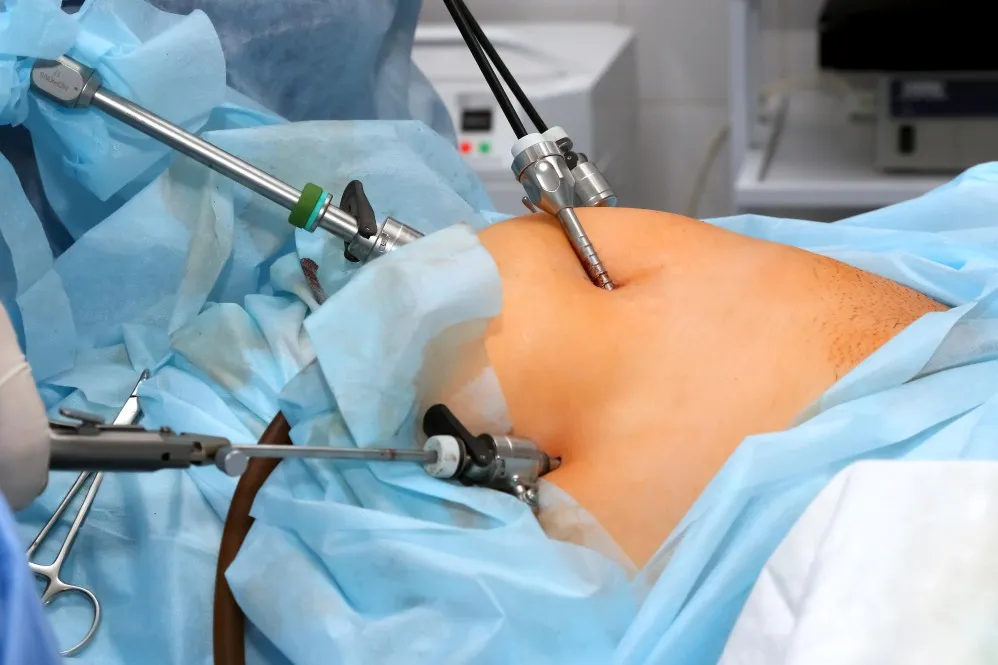
Laparoscopy is a minimally invasive surgical technique in which a surgeon accesses the abdomen or pelvis through small incisions. A laparoscope containing a camera allows internal structures to be visualized.
Additional small instruments may be introduced when a surgical procedure is required.
Because the approach differs from conventional open surgery, incision size and recovery experience can be different. However, laparoscopy is still surgery and requires appropriate evaluation, anesthesia, and postoperative care.
Conditions Where Laparoscopy May Be Considered
Depending on diagnosis and clinical circumstances, laparoscopic techniques may be used in the management or assessment of:
- Ovarian cysts
- Endometriosis
- Ectopic pregnancy
- Certain fibroids
- Pelvic adhesions
- Selected fertility-related conditions
- Some hysterectomy procedures
The presence of one of these conditions does not automatically mean laparoscopy is necessary.
Potential Advantages of a Minimally Invasive Approach
When clinically appropriate, smaller incisions can offer practical recovery advantages.
Patients may experience less incision-related discomfort, shorter hospitalization in some cases, smaller scars, and an earlier return to routine activity compared with certain open procedures.
The actual recovery period depends on the procedure performed rather than simply the size of the incisions.
Removing an ovarian cyst laparoscopically, for example, is different from undergoing a more extensive pelvic procedure.
When Open Surgery May Still Be Appropriate
Minimally invasive surgery is not automatically the best option for every patient.
Factors influencing the surgical approach can include the size and location of a lesion, previous operations, extensive adhesions, suspected malignancy, medical conditions, surgical complexity, and findings during the procedure.
In some circumstances, a planned laparoscopic operation may need to be converted to an open procedure for safety.
Patients should understand this possibility before surgery.
Preparing for a Surgical Consultation
Bring ultrasound reports, previous prescriptions, blood-test results, details of previous surgeries, and a current medication list.
Useful questions include:
- Why is surgery being recommended?
- Are non-surgical options appropriate?
- Is laparoscopy suitable for this condition?
- What type of anesthesia is expected?
- How long might hospitalization last?
- What restrictions may apply after surgery?
- What symptoms require attention during recovery?
Dr Firdousara - Women’s care clinic provides gynecological assessment for women in Kalwa who require evaluation of conditions that may need medical or surgical management.
A consultation with a Laparoscopic Gynecologist is most valuable when it helps a patient understand not only the potential benefits of minimally invasive surgery but also its limitations, alternatives, expected recovery, and reasons the proposed procedure is appropriate for her particular condition.
Keywords