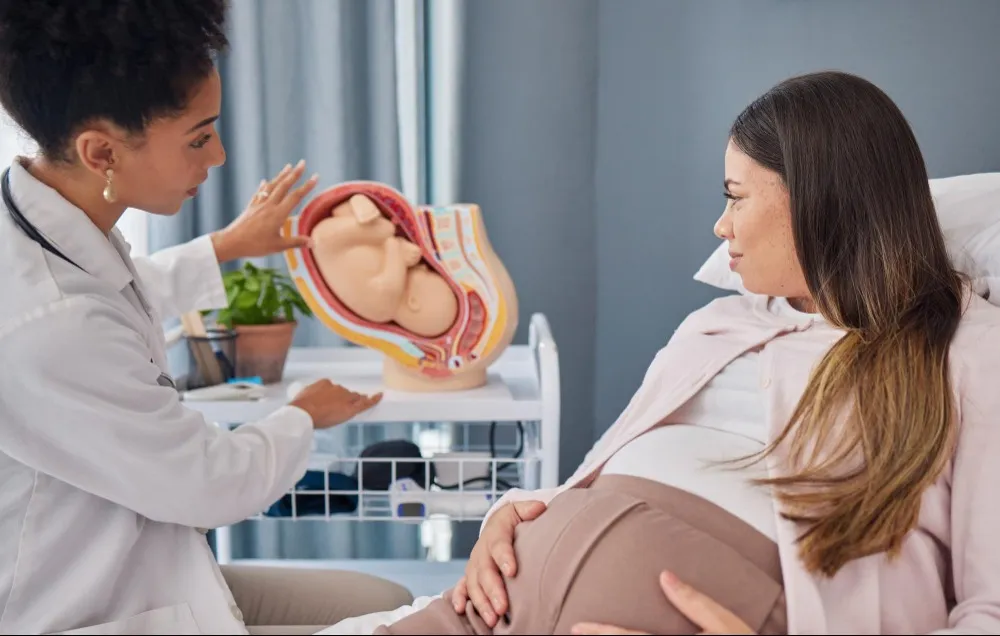
Many expectant mothers hope to have a vaginal delivery, particularly when pregnancy is progressing normally. Consulting a Normal Delivery Doctor can help women understand what supports vaginal birth, what happens during labour, and why the final mode of delivery must always depend on maternal and fetal wellbeing.
For pregnant women in Shilphata, preparation should begin during antenatal care rather than only when labour starts.
What Supports the Possibility of Normal Delivery?
There is no reliable method that can guarantee vaginal delivery. Several clinical factors influence whether it remains appropriate.
Doctors typically consider:
- Position of the baby
- Placental location
- Maternal health
- Fetal wellbeing
- Previous delivery history
- Progress of labour
- Cervical changes
- Pelvic considerations where clinically relevant
- Presence of pregnancy complications
Many of these factors become clearer as pregnancy progresses.
Antenatal Preparation Has an Important Role
Routine antenatal appointments help doctors monitor pregnancy while giving expectant mothers opportunities to discuss birth preparation.
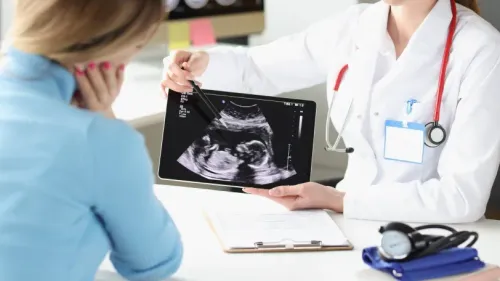
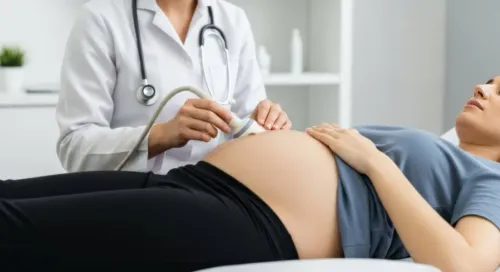
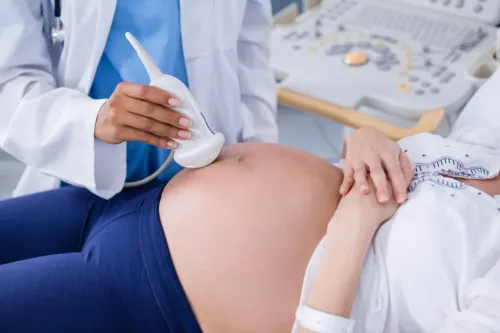
Appointments may involve blood pressure measurement, weight monitoring, blood investigations, fetal growth assessment, ultrasound examinations when indicated, and discussions about nutrition or physical activity.
Pregnant women can also use these consultations to understand signs of labour and circumstances that require hospital assessment.
Recognising Labour
Labour experiences vary considerably between women. Common signs can include regular contractions that become progressively stronger, cervical changes, rupture of membranes, or passage of blood-stained mucus.
Not every contraction means active labour. Braxton Hicks contractions can occur during pregnancy without indicating that delivery has begun.
Women should follow the instructions provided by their maternity care team regarding when to reach the hospital, particularly if the pregnancy has additional risk factors.
Can Exercise Help?
Physical activity during pregnancy may have several health benefits when medically appropriate. Walking and pregnancy-safe exercises may help women maintain general fitness and mobility.
However, exercise recommendations should be individualized. Women with placenta-related concerns, cervical problems, bleeding, certain high-risk conditions, or other complications may require restrictions.
Internet exercises should therefore not replace advice from the treating obstetrician.
When Plans Need to Change
An important part of preparing for vaginal delivery is understanding that childbirth cannot always follow a predetermined plan.
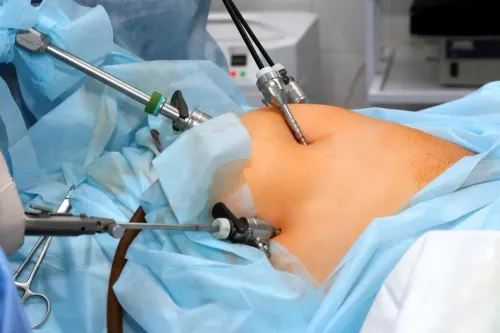
A C-section may become medically necessary if concerns arise regarding fetal wellbeing, labour progression, placental complications, abnormal fetal position, or another clinical problem.
Changing the delivery plan when circumstances change is not a failure of preparation. It is a medical decision intended to respond to the condition of the mother and baby.
Questions Worth Discussing Before Delivery
During later pregnancy appointments, women may want to ask about:
- When to go to the hospital
- What symptoms require immediate assessment
- Pain-management options during labour
- Hospital admission procedures
- Birth companion policies
- Situations that could require operative delivery
- Post-delivery monitoring
Dr Firdousara - Women’s care clinic supports women seeking pregnancy guidance in the Shilphata region through antenatal evaluation and individualized delivery planning.
A good Normal Delivery Doctor focuses not on promising a particular method of birth but on supporting safe pregnancy, appropriate labour monitoring, informed decision-making, and timely intervention when circumstances require it.
Keywords