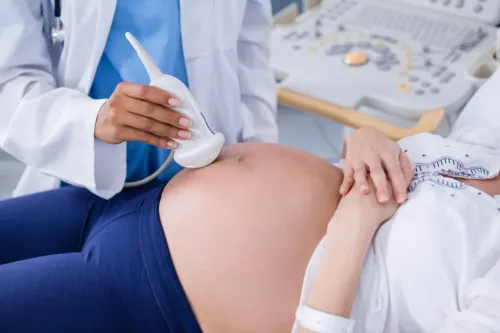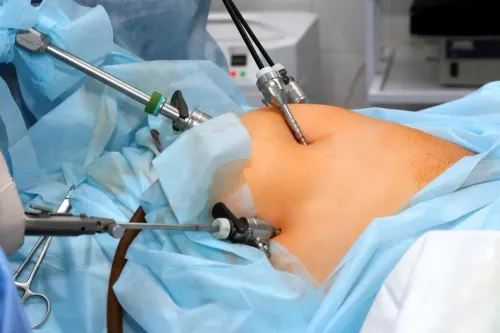

When pregnancy does not occur as expected, couples often focus immediately on the female partner. In reality, fertility depends on several factors involving both partners. Consulting an Infertility Specialist can help identify possible causes systematically before treatment decisions are made.
Couples in Diva, may benefit from understanding when fertility evaluation is appropriate and what the process can involve.
When Should Couples Seek Evaluation?
General guidance often recommends fertility assessment after approximately 12 months of regular unprotected intercourse when the female partner is under 35.
Earlier assessment may be appropriate when the woman is older or when there are known concerns such as irregular periods, absent periods, previous pelvic surgery, suspected endometriosis, recurrent pregnancy loss, or known male fertility issues.
Individual circumstances matter, so these timelines should not replace personalized medical advice.
Fertility Assessment Should Consider Both Partners
A fertility evaluation commonly begins with a detailed history.
For women, the doctor may ask about:
- Menstrual regularity
- Previous pregnancies
- Pelvic infections
- Previous surgeries
- PCOS
- Endometriosis symptoms
- Current medications
- Relevant medical conditions
Depending on findings, investigations may be recommended to assess ovulation, reproductive hormones, uterus, ovaries, or fallopian tubes.
Male fertility evaluation may include medical history and semen analysis when appropriate.
Why Ovulation Matters
Pregnancy requires an egg to be released and become available for fertilization. Women with predictable menstrual cycles may ovulate regularly, while conditions such as PCOS can make ovulation irregular.
Tracking ovulation may therefore be useful in selected cases.
However, focusing exclusively on ovulation can delay diagnosis if another fertility factor is present. Tubal health, sperm parameters, age-related fertility changes, uterine conditions, and other factors may also need consideration.
Treatment Is Based on the Cause
There is no single infertility treatment suitable for every couple.
Depending on the findings, management might involve treating an underlying condition, improving timing of intercourse, supporting ovulation, addressing male fertility concerns, or discussing assisted reproductive options when appropriate.
A stepwise approach helps avoid unnecessary treatment before basic fertility factors have been evaluated.
Questions to Ask During a Fertility Consultation
Couples can ask:
- Which investigations are appropriate initially?
- Does each partner need testing?
- Is ovulation occurring regularly?
- Are additional imaging tests necessary?
- What treatment options match the identified problem?
- How long should a particular approach be tried?
- When should advanced fertility treatment be considered?
Dr Firdousara - Women’s care clinic offers gynecological and fertility-related evaluation for couples from Diva, helping patients understand potential reproductive concerns before deciding on subsequent management.
Meeting an Infertility Specialist should be viewed as an investigative step rather than an automatic commitment to advanced fertility procedures. A careful assessment can clarify which factors may be affecting conception and allow treatment discussions to be based on evidence rather than assumptions.
Keywords