A high-risk pregnancy does not necessarily mean that complications will occur. It means the mother, baby, or both may need closer observation during pregnancy. Women in Mumbra, who have certain medical conditions, pregnancy-related complications, or a history of difficult pregnancies may benefit from consulting a High-Risk Pregnancy Specialist for structured monitoring.
High-risk pregnancy care focuses on identifying concerns early, tracking maternal health, monitoring fetal development, and planning delivery according to individual clinical needs.
When Is a Pregnancy Considered High Risk?
Several factors can place a pregnancy in a higher-risk category. Some are present before conception, while others develop during pregnancy.
Common reasons include:
- High blood pressure during pregnancy
- Gestational diabetes
- Thyroid disorders
- Multiple pregnancy such as twins
- Previous miscarriage
- Previous premature delivery
- Previous pregnancy complications
- Maternal age-related concerns
- Placental abnormalities
- Fetal growth concerns
- Pre-existing medical conditions
Having one of these factors does not automatically predict a poor outcome. It usually indicates that additional monitoring may be appropriate.
What Does High-Risk Pregnancy Monitoring Include?
Care is planned according to the specific risk involved. A specialist may recommend more frequent antenatal appointments than would normally be required during a routine pregnancy.
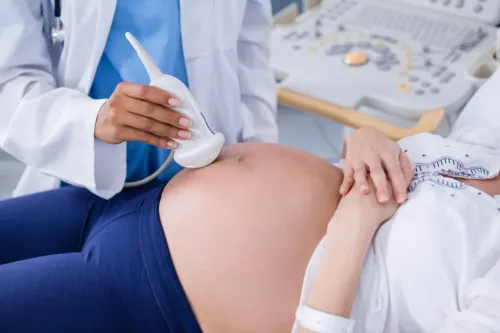
Monitoring can include maternal blood pressure checks, blood investigations, ultrasound examinations, fetal growth assessment, glucose monitoring, and evaluation of symptoms.
Ultrasound examinations may be scheduled at clinically appropriate stages to assess fetal development, placental position, amniotic fluid levels, and other relevant parameters.
The purpose of additional monitoring is not to create anxiety. It is to provide doctors with timely information that can support appropriate clinical decisions.
Symptoms That Should Receive Medical Attention
Pregnant women should discuss new or unusual symptoms with their healthcare provider. Depending on the stage of pregnancy, medical assessment may be particularly important for symptoms such as:
- Vaginal bleeding
- Severe abdominal pain
- Persistent severe headache
- Sudden swelling
- Blurred vision
- Reduced fetal movements after movements have become established
- Fluid leakage
- Regular painful contractions before the expected delivery period
The significance of any symptom depends on the individual pregnancy, so assessment should be based on medical evaluation rather than assumptions.
Why Delivery Planning Matters
A high-risk pregnancy may require additional planning as the expected delivery date approaches.
Doctors consider several factors, including fetal position, fetal growth, maternal health, previous obstetric history, placental condition, and progression of pregnancy.
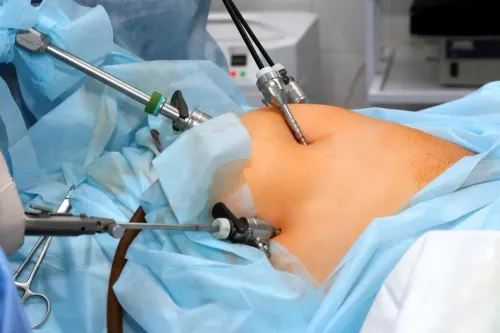
Some women may still be suitable candidates for vaginal delivery. Others may require a planned C-section because of specific maternal or fetal indications. The safest approach cannot be determined solely from the label “high risk.”
Preparing for Specialist Appointments
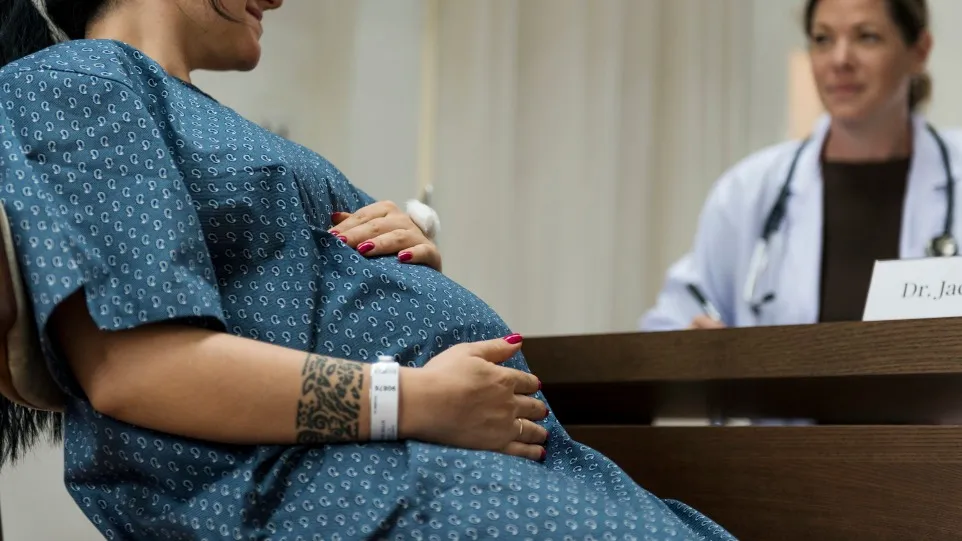
Women attending a high-risk pregnancy consultation can make the appointment more useful by carrying previous medical records, ultrasound reports, laboratory results, medication details, and information about previous pregnancies.
Dr Firdousara - Women’s care clinic provides obstetric care for women in and around Mumbra, with pregnancy management based on individual medical circumstances.
Regular appointments are particularly important because some pregnancy complications may initially produce few noticeable symptoms. Consistent monitoring gives the healthcare team an opportunity to identify changes and decide whether additional evaluation is needed.
For women with higher-risk pregnancies, the central goal is careful observation throughout pregnancy, timely management of identified concerns, and a delivery plan developed according to the health of both mother and baby.
Keywords