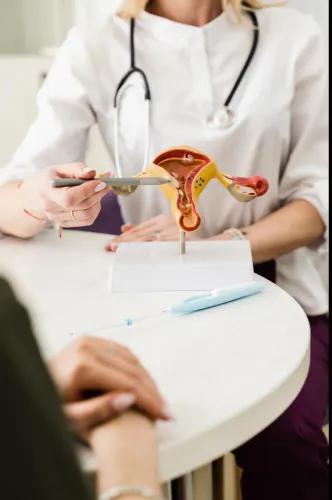
Many women discover they have uterine fibroids during a routine health check-up or while investigating symptoms such as heavy periods or pelvic pain. Dr Firdousara – Women's Care Clinic in Mumbra helps women understand whether fibroids require treatment and, if so, which option is most appropriate based on their age, symptoms, and future pregnancy plans.
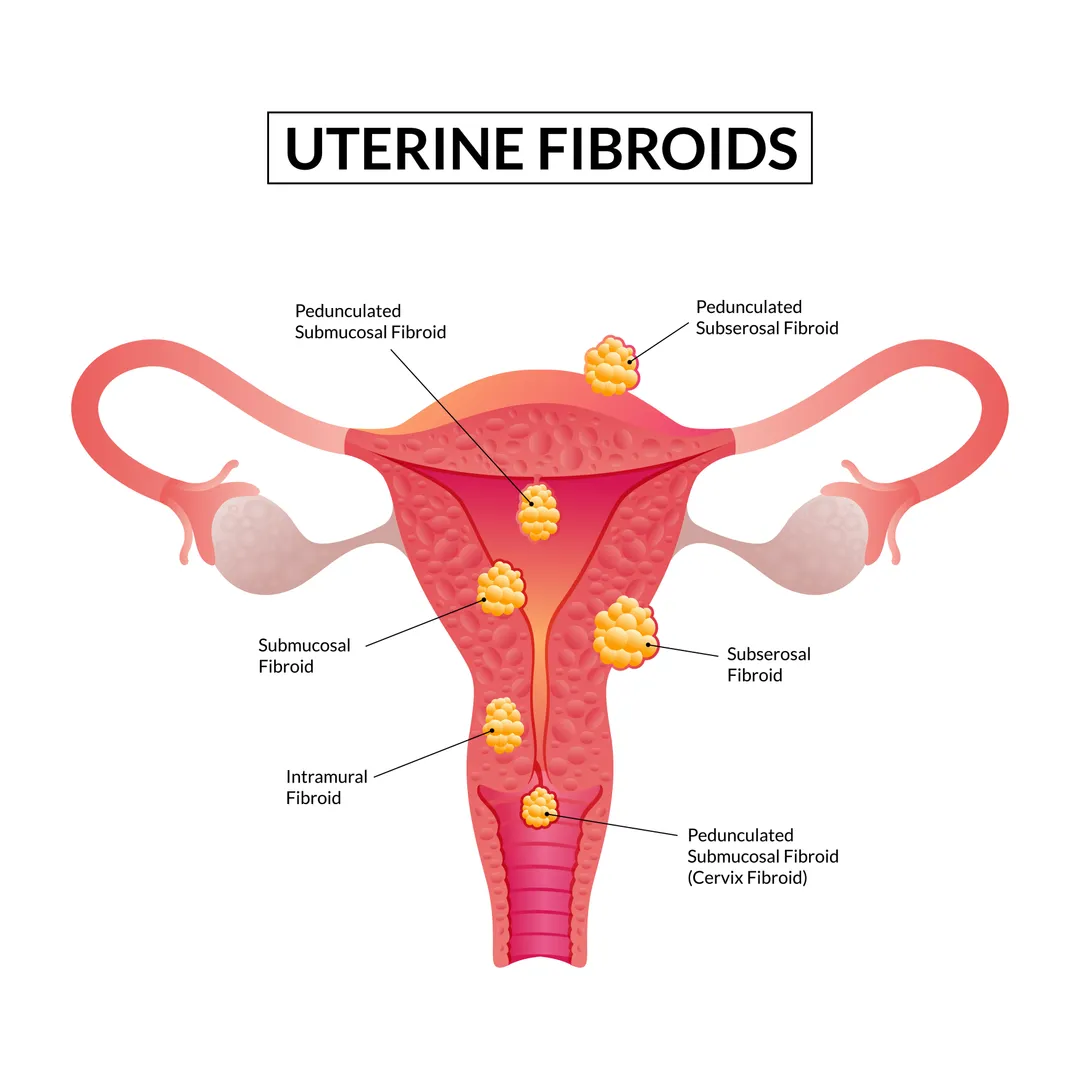
Fibroids are non-cancerous growths that develop in or around the uterus. While they are common during the reproductive years, not every fibroid causes symptoms or needs surgery.
What Are the Symptoms of Uterine Fibroids?
Some women experience no symptoms at all, while others may notice:
- Heavy or prolonged menstrual bleeding
- Pelvic pressure or pain
- Frequent urination
- Constipation
- Lower back pain
- Pain during intercourse
- Difficulty becoming pregnant in some cases
The severity of symptoms depends on the size, number, and location of the fibroids.
When Can Fibroids Be Monitored?
Small fibroids that are not causing symptoms often do not require immediate treatment. Regular ultrasound examinations and gynecological check-ups allow doctors to monitor their growth over time.
Observation may be suitable when:
- Menstrual cycles remain manageable.
- There is no significant pain.
- Fibroids are small and stable.
- Pregnancy is not being affected.
When Is Treatment Recommended?
Treatment is usually advised if fibroids interfere with daily life or reproductive health.
A gynecologist may recommend treatment if you experience:
- Severe menstrual bleeding leading to anaemia
- Rapid enlargement of fibroids
- Persistent pelvic discomfort
- Pressure on the bladder or bowel
- Fertility concerns
- Recurrent pregnancy complications
Treatment Options Available
The best treatment depends on individual circumstances rather than a one-size-fits-all approach.
Options may include:
- Medication to manage bleeding or hormonal symptoms
- Iron supplementation for anaemia
- Minimally invasive procedures in selected cases
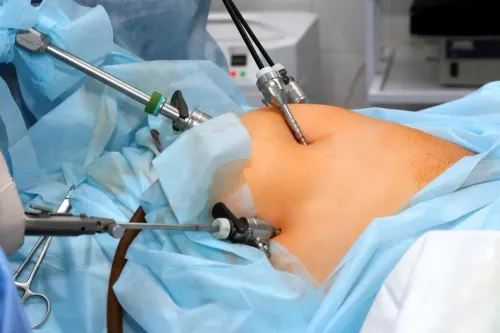
- Myomectomy to remove fibroids while preserving the uterus
- Hysterectomy when appropriate for women who have completed their families
Doctors carefully evaluate age, symptom severity, family planning goals, and overall health before recommending surgery.
Can Fibroids Affect Pregnancy?
Most women with fibroids have healthy pregnancies. However, depending on their size and location, fibroids may increase the risk of:
- Miscarriage
- Breech presentation
- Preterm labour
- Caesarean delivery
Regular antenatal monitoring helps detect potential complications early.
Women in Mumbra who experience unusually heavy periods or persistent pelvic discomfort should not ignore these symptoms. Early evaluation allows fibroids to be managed before they begin affecting daily life or reproductive health. Understanding your treatment options helps you make informed decisions with confidence.
Keywords