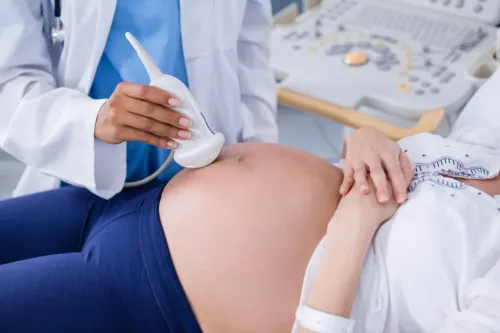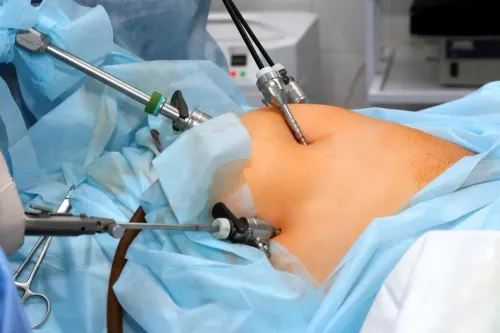
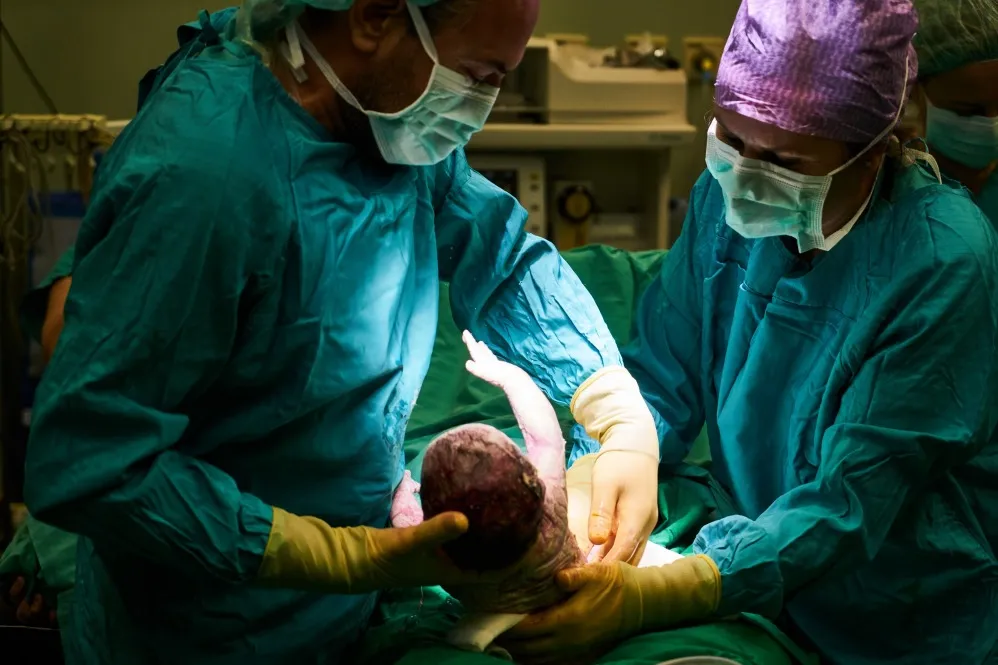
Cesarean delivery is a surgical method of childbirth used when vaginal delivery is unsuitable or when circumstances during pregnancy or labour make surgery a safer clinical option. Understanding why a C-section may be recommended can help expectant mothers approach delivery planning with realistic expectations.
Women in Kausa, who have been advised to consider cesarean delivery can discuss their individual circumstances with a C-Section Specialist rather than relying on general assumptions about childbirth.
Why Might a C-Section Be Recommended?
The reason differs from one pregnancy to another. Common considerations can include:
- Placenta previa
- Certain abnormal fetal positions
- Fetal distress
- Failure of labour to progress adequately
- Some previous uterine surgeries
- Certain multiple pregnancies
- Umbilical cord complications
- Maternal medical conditions
- Significant fetal concerns
Some cesareans are planned before labour begins. Others become necessary after labour has started.
Planned Cesarean Delivery
When doctors identify a clinical reason before labour, a planned procedure allows the maternity team to prepare in advance.
The timing depends on why surgery is required, gestational age, fetal development, maternal condition, and whether there are additional pregnancy complications.
Women should avoid comparing their planned delivery date with another patient’s because clinical circumstances can differ considerably.
Emergency Cesarean Delivery
Sometimes labour begins with the intention of vaginal birth but the situation changes.
Doctors continuously assess factors such as fetal heart rate, contractions, cervical progress, maternal condition, and other clinical signs. If continuing labour creates unacceptable risk, cesarean delivery may be recommended.
The decision may need to be made quickly depending on the urgency of the situation.
What Happens During Recovery?
Recovery from cesarean birth usually requires more attention to the surgical wound and mobility than uncomplicated vaginal delivery.
Women may receive guidance regarding:
- Wound care
- Pain management
- Gradual movement
- Breastfeeding positions
- Nutrition
- Activity restrictions
- Follow-up appointments
Recovery time varies. Individual medical conditions and complications can affect how quickly normal activities can be resumed.
Warning Signs After Surgery
Post-delivery instructions should be followed carefully. Medical assessment may be necessary for symptoms such as increasing wound redness, discharge, persistent fever, severe pain, unusually heavy bleeding, breathing difficulty, or other significant changes.
Women should use the discharge instructions provided by their healthcare team as the primary reference because recommendations can differ according to individual circumstances.
Making an Informed Delivery Decision
A discussion with a C-Section Specialist should include the reason surgery is being considered, expected benefits, potential risks, alternative options where medically appropriate, anesthesia considerations, and expected recovery.
Dr Firdousara - Women’s care clinic provides obstetric assessment for women from Kausa and surrounding communities, including evaluation when cesarean delivery is being considered.
The objective is not to choose a delivery method based on preference alone. Safe maternity care requires assessment of the pregnancy at that particular time. Understanding the reason behind a C-section recommendation helps families participate more confidently in decisions while keeping maternal and fetal wellbeing at the centre of delivery planning.
Keywords